

A day trip from Los Angeles to Malibu can center on Malibu Lagoon State Beach, Zuma Beach, or beaches farther along the coast. Line 134 runs between Downtown Santa Monica Station and Malibu via Pacific Coast Highway, while beach access and parking details vary by location.
- Beach areas: Malibu Lagoon State Beach, Zuma Beach, Nicholas Canyon Beach, and Leo Carrillo State Beach.
- Transit: LA Metro Line 134 connects Downtown Santa Monica Station and Malibu via Pacific Coast Highway.
- Parking: Zuma Beach has fee-based parking.
- Los Angeles base: a motel room at Hollywood City.
Choose a Malibu area for the day
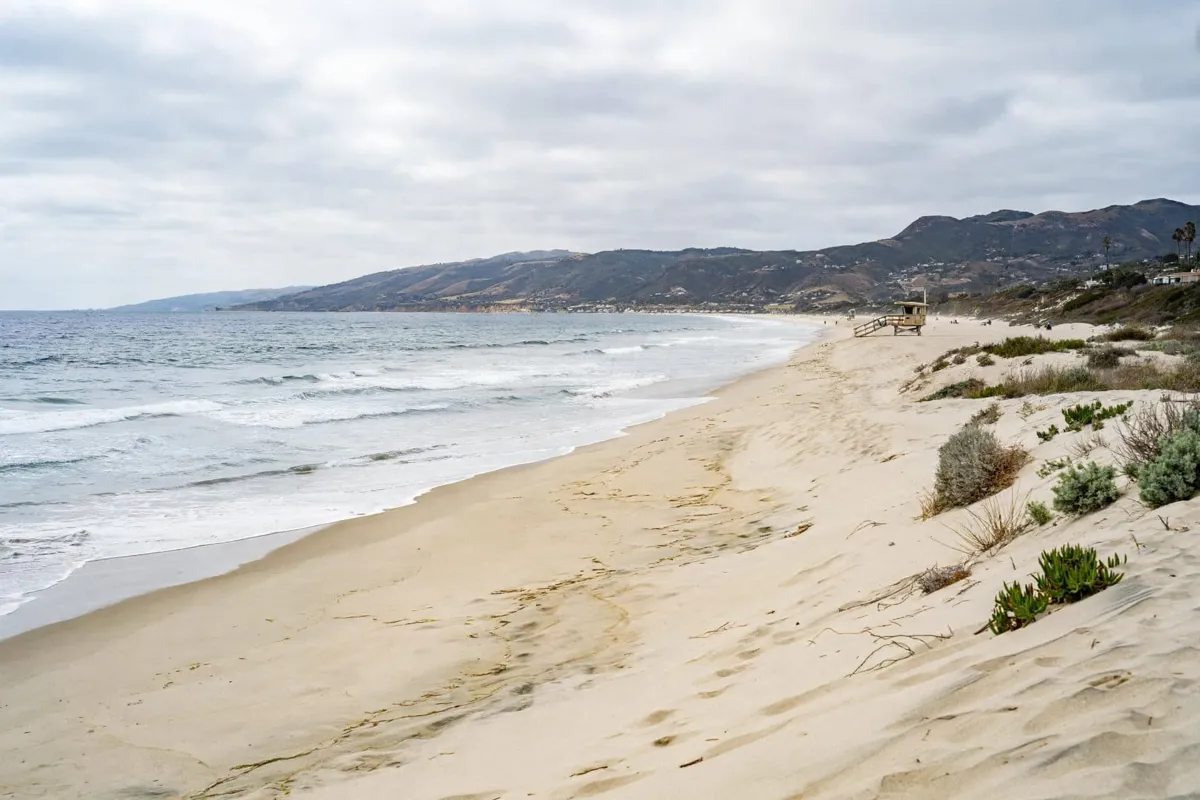
Choose a Malibu beach area based on the coastal stops you want to combine. Malibu Lagoon State Beach sits where Malibu Creek flows into the Pacific Ocean, and Malibu Pier is within the state beach.
The lagoon’s parking and nature-area entrance is on Cross Creek Road. Farther along the coast, Zuma Beach is identified by the City of Malibu as the largest beach in Malibu; its entrance is just west of Heathercliff Drive.
Nicholas Canyon Beach and Leo Carrillo State Beach appear in the City of Malibu’s Area 1 coastal map.
How do you get from Los Angeles to Malibu?
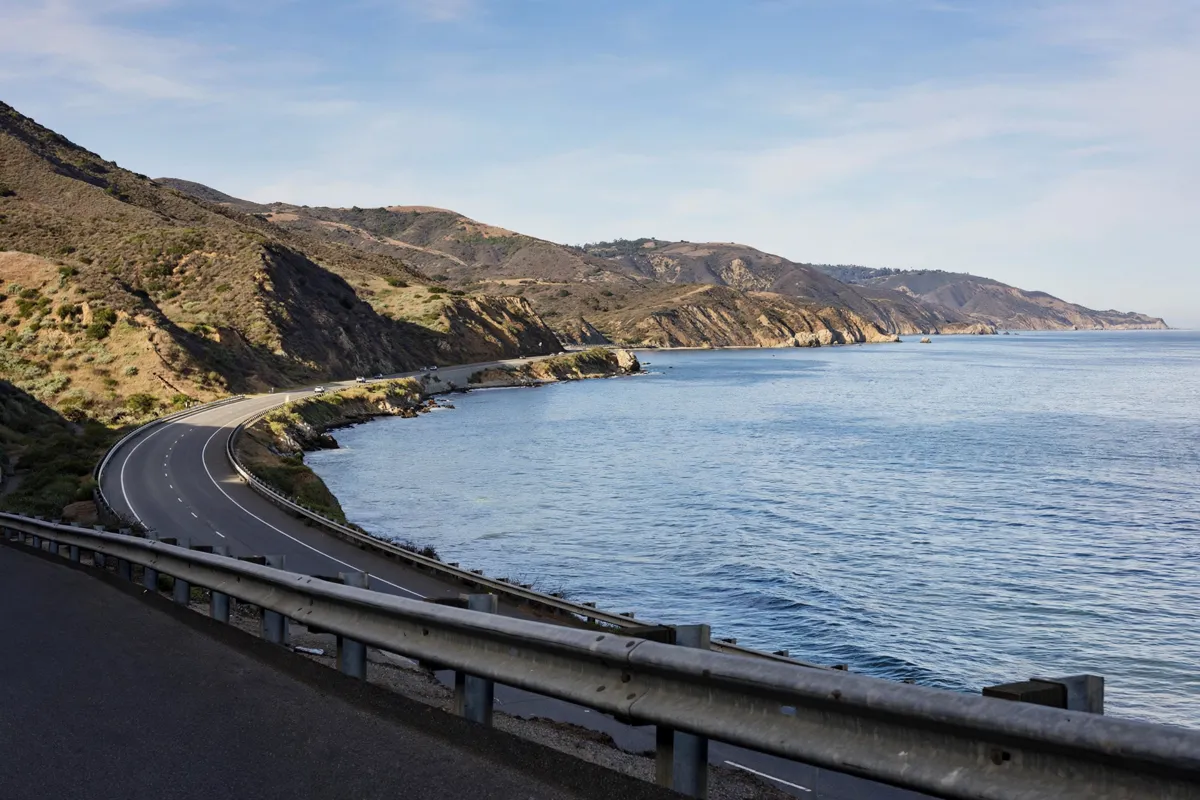
LA Metro Line 134 runs from Downtown Santa Monica Station to Malibu via Pacific Coast Highway. It offers a transit connection between Santa Monica and Malibu; check the route’s schedules and maps when planning your trip.
For current service and trip planning, LA Metro directs riders to its rider tools. You can use those tools to plan a journey and check real-time service, then match the trip to the beach area you have chosen. The getting around Los Angeles from Hollywood City Inn guide can help with the Los Angeles part of your plans.
For driving, the coastal areas in this plan are reached via their named entrances and roads: Cross Creek Road for Malibu Lagoon State Beach, and the entrance just west of Heathercliff Drive for Zuma Beach.
Check the official site before you go: use LA Metro for transit service and schedules, and Los Angeles County Beaches and Harbors for Zuma Beach parking information.
Beach access and parking checks
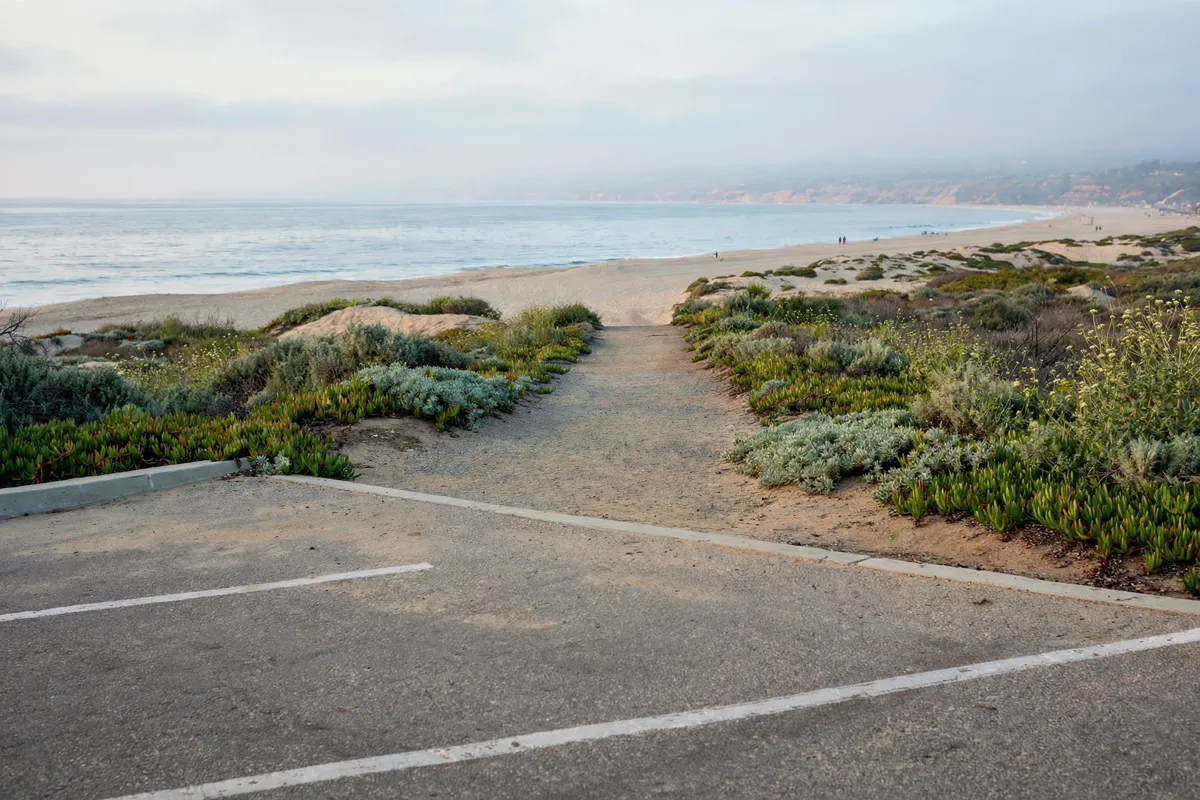
Check the access point and parking arrangement for your chosen beach before setting out. Malibu Lagoon State Beach’s parking and nature-area entrance is on Cross Creek Road, while Zuma Beach’s entrance is just west of Heathercliff Drive.
Zuma Beach has fee-based parking and is owned and operated by Los Angeles County Beaches and Harbors. For Line 134, LA Metro provides route schedules and maps; its rider tools support trip planning and real-time service checks.
A practical coastal day outline
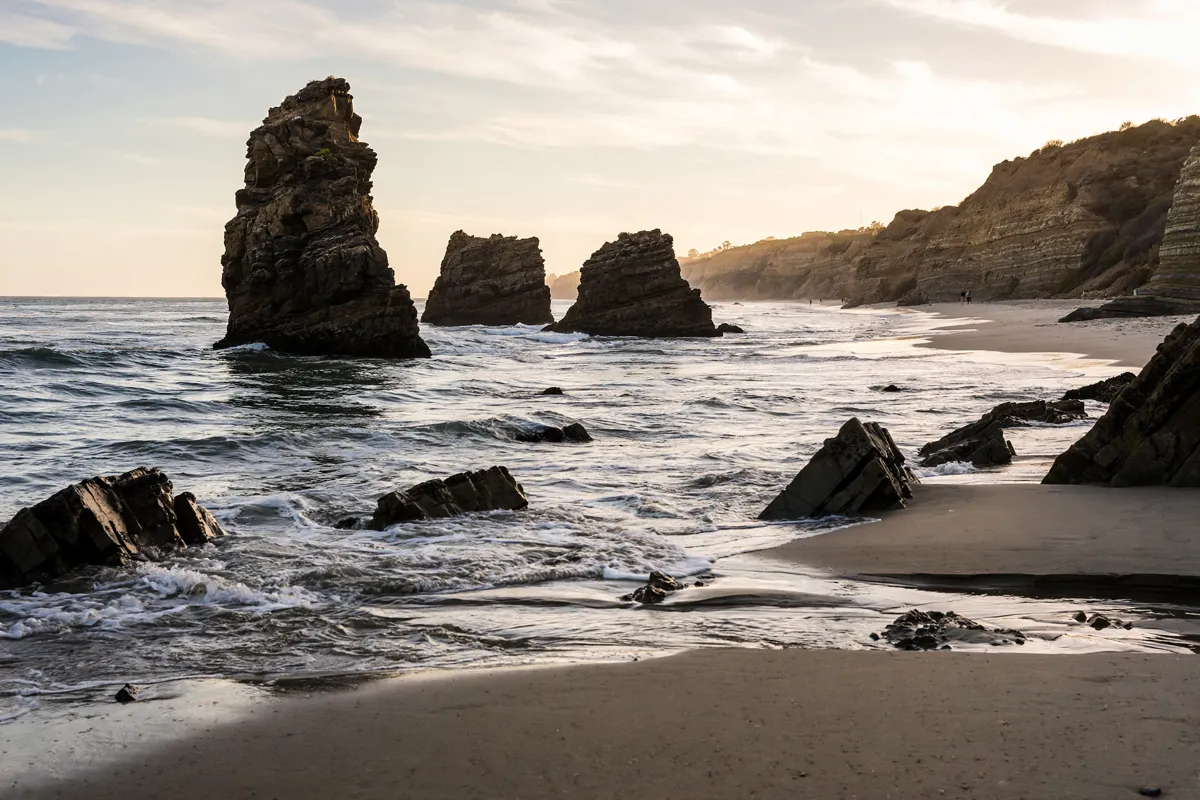
A straightforward day outline is to pick one coastal area first, then add another stop only if it fits your plan. At Malibu Lagoon State Beach, the lagoon’s meeting point with the Pacific and Malibu Pier are both within the same state beach.
If you prefer a larger beach, make Zuma Beach your main stop and account for its fee-based parking. For a farther-west focus, consider Nicholas Canyon Beach or Leo Carrillo State Beach, both shown in the City of Malibu’s Area 1 coastal map.
Before leaving Los Angeles, check the transit schedule if you plan to use Line 134. Its route connects Downtown Santa Monica Station and Malibu along Pacific Coast Highway, so use LA Metro’s rider tools to plan the trip and check real-time service.
Return-trip timing and alternatives
Use LA Metro’s rider tools to check real-time Line 134 service when planning your return from Malibu to Downtown Santa Monica Station.
If your plans include getting to Los Angeles from the airport before heading to Malibu, the LAX airport transportation guide covers that separate part of the journey.
FAQs
Which Malibu beach is the largest?
The City of Malibu identifies Zuma Beach as the largest beach in Malibu.
Does Line 134 go to Malibu?
Yes. LA Metro Line 134 runs between Downtown Santa Monica Station and Malibu via Pacific Coast Highway.
Where is Malibu Pier?
Malibu Pier is located within Malibu Lagoon State Beach.
Does Zuma Beach have paid parking?
Yes. Zuma Beach has fee-based parking and is operated by Los Angeles County Beaches and Harbors.